



Nepali Style Spiced Curry
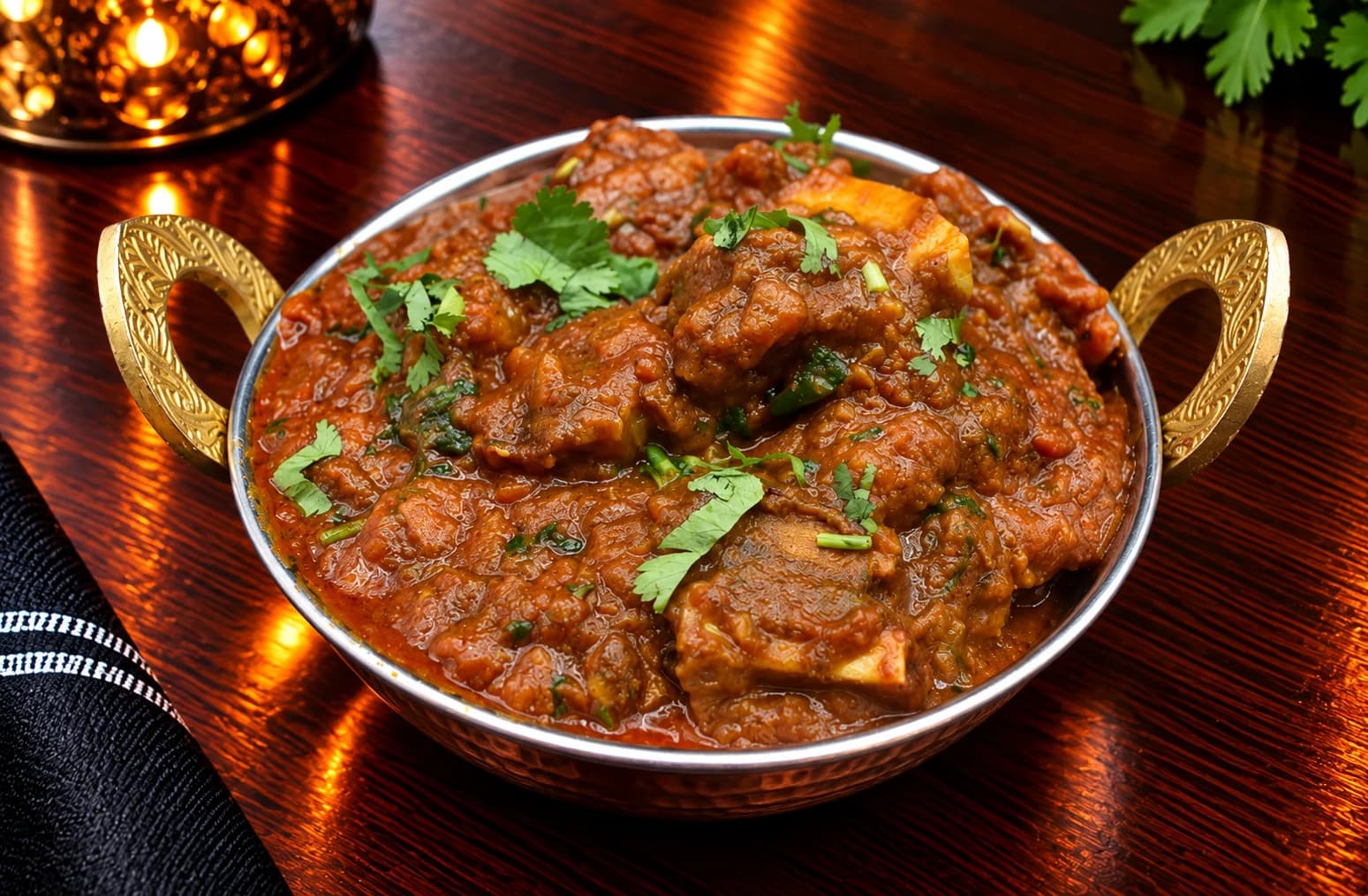
The dish that explains the restaurant. Curry Gate cooks Indian and Nepali food, and this is the Nepali side — not a variation on an Indian curry, but a genuinely different way of cooking.
How Nepali curry differs from Indian curry. The short answer is restraint. Indian restaurant curries, particularly the northern ones that dominate American menus, are built for richness: cream, cashew paste, butter, thick tomato bases, long ingredient lists. Nepali cooking runs the other way. The gravy is thinner — closer to a broth than a sauce — and built on a smaller set of ingredients: onion, tomato, ginger, garlic, cumin, coriander, turmeric. There's no cream and no nut paste. What you taste is the spices and the protein, not the dairy.
The other difference is timur. Nepali Sichuan pepper, related to the Chinese spice, with a citrusy aroma and a faint tingling numbness rather than heat. It's the flavor most people can't place in Nepali food and the one that makes it identifiable once you know it. Used lightly, it lifts the whole dish.
How it tastes. Lighter and cleaner than an Indian curry, with more assertive ginger and garlic and less sweetness. Warm-spiced rather than rich. The gravy is looser, so it soaks into rice rather than sitting on top of it. There's a directness to it — fewer things happening, each one clearer.
How it's eaten in Nepal. As part of a plate, not on its own. The standard meal is dal bhat: rice in the middle, a bowl of lentil soup, a curry, a vegetable, pickle on the side, everything mixed by hand as you eat. That's lunch and dinner most days for much of the country. This curry is one component of that meal, which is why it isn't built to overwhelm — it's designed to sit alongside other things rather than dominate.
Which protein. Goat is the most traditional by a distance — in Nepal, goat is the meat of choice for curry, especially at festivals and family occasions, and it's usually bone-in. Chicken is the everyday option and the easiest introduction. Lamb is richer. Shrimp is less traditional but works with the lighter gravy. Vegetable is a genuine dish in its own right rather than a substitute, since much of Nepal eats vegetarian most days out of practice rather than preference.
How spicy is it? Medium as standard, and hot in character rather than hot in volume — the heat is fresh green chili and dried red chili, sharp and clean. We cook to a 1–10 scale, so name your number. Nepali food is generally spicier than Indian restaurant food in America, so a 5 here may feel like a 6 elsewhere.
How to order it. Rice, not bread — this is a rice dish, and the thinner gravy is meant to be absorbed. Order it with dal if you want something close to how it's actually eaten, and add momo chutney or an achar on the side for the pickle element. If you're at a table ordering Indian curries, this one provides genuine contrast: lighter, sharper, less sweet.
Who should order it. Anyone who finds American-Indian restaurant food too rich. People who've eaten a lot of Indian food and want something they haven't had. Anyone curious about Nepali cooking, which is far less represented in the US than Indian food despite being distinctive in its own right. And anyone from Nepal who wants a curry that tastes the way it's supposed to.
Dietary notes. No cream or cashew in the base, which makes this one of the lightest curries on the menu and, for the meat and vegetable versions, usually dairy-free — ask about ghee versus oil. Naturally gluten-free if you order it with rice. Goat and lamb are served bone-in; ask if you'd prefer otherwise. Our meat is halal; confirm with the location when you order.
Takeout. Travels well and reheats cleanly. The thinner gravy doesn't separate the way cream-based sauces can. Often better the next day.
Available at all Curry Gate locations — Uptown at 101 N Tryon St, South Blvd, and West 24th Street — for dine-in, pickup, delivery and catering.
